関係詞の非制限用法
〈, who / which 〜,〉= 前の語や文に、補足の情報を足す
1制限用法と非制限用法のちがい
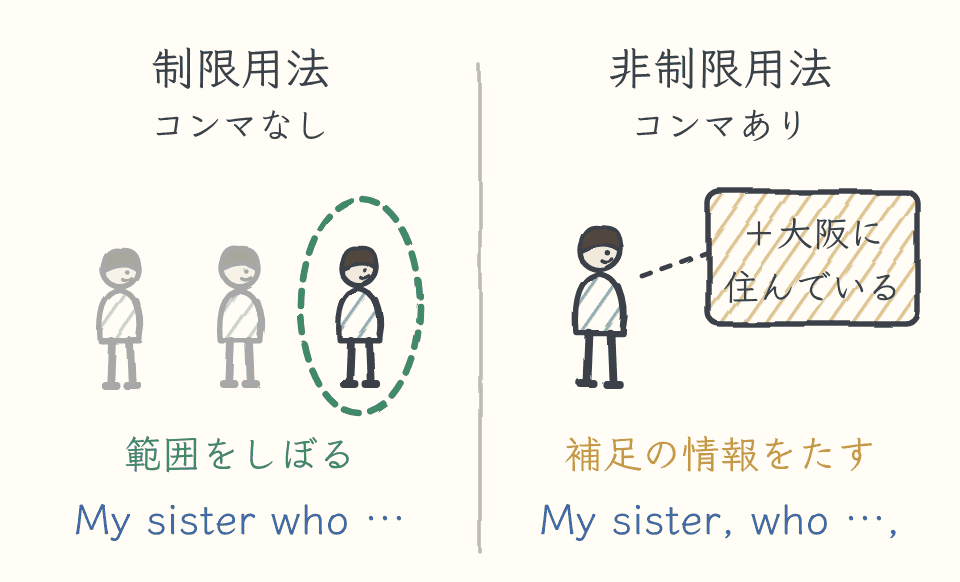
関係詞の前にコンマがない制限用法は、名詞の範囲をしぼります。コンマがある非制限用法は、すでに何を指すかわかっている名詞に、補足の情報を足します。
My sister who lives in Osaka is a nurse.
大阪に住んでいる姉は看護師だ。(姉がほかにもいる可能性がある)
My sister, who lives in Osaka, is a nurse.
姉は大阪に住んでいて、看護師だ。(姉は1人)
| 制限用法 | 非制限用法 | |
|---|---|---|
| コンマ | なし | あり |
| 働き | 名詞の範囲をしぼる | 補足の情報を足す |
| that | 使える | 使えない |
| 関係代名詞の省略 | 目的格なら省略できる | 省略できない |
| 人名・地名など | ふつう使わない | よく使う |
2人物や組織の説明(who / which)
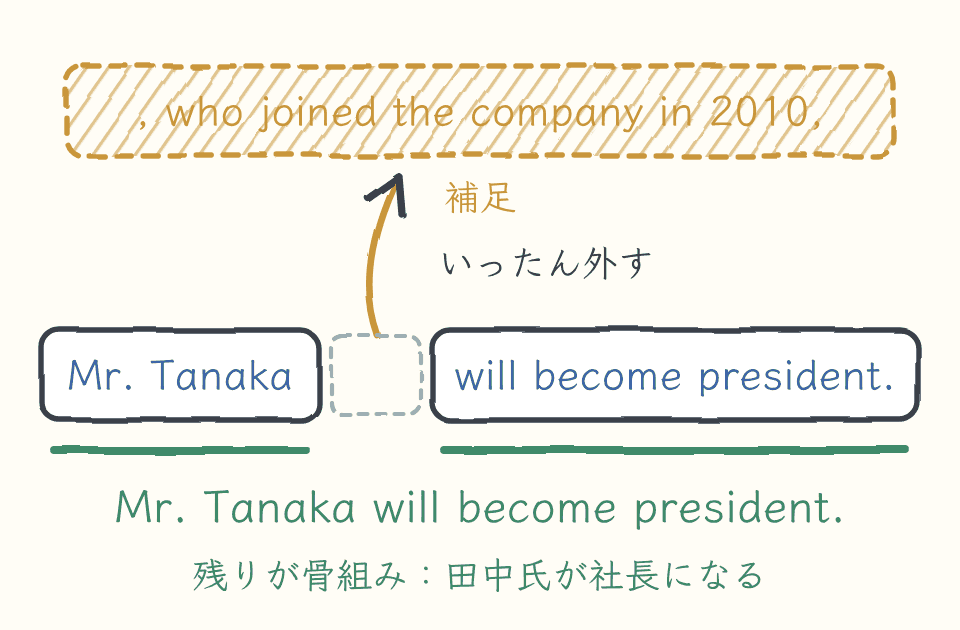
報道では、人名や組織名のあとに〈, who 〜,〉〈, which 〜,〉で肩書や説明を足します。コンマで区切られた部分をいったん外すと、文の骨組みが見えます。
Mr. Tanaka, who joined the company in 2010, will become president.
田中氏は2010年に入社した人物で、社長に就任する。
The plan, which was announced last week, faces opposition.
その計画は先週発表されたもので、反対にあっている。
The festival, which began in 1950, attracts about 100,000 visitors every year.
その祭りは1950年に始まり、毎年約10万人が訪れる。
Dr. Sato, who led the research team, said the results were promising.
研究チームを率いた佐藤博士は、結果は有望だと述べた。
Our new office, which is near the station, opens in April.
新しい事務所は駅の近くにあり、4月に開く。
3which が前の内容全体を受ける
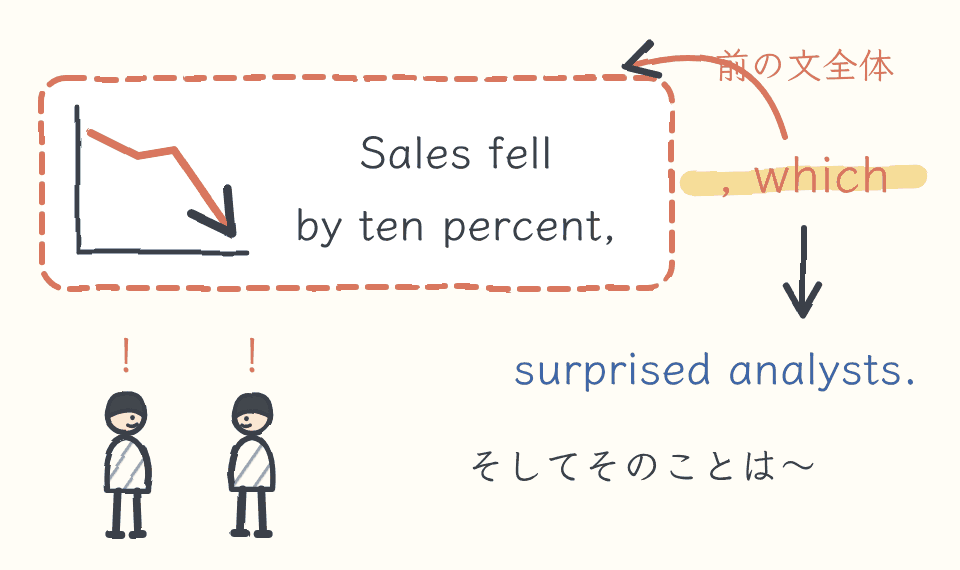
〈, which 〜〉は、直前の名詞だけでなく、前の文の内容全体を受けることがあります。「そしてそのことは〜」と前から読みます。
Sales fell by ten percent, which surprised analysts.
売上は10%減り、そのことはアナリストを驚かせた。
The train was delayed, which meant I missed the meeting.
電車が遅れ、そのせいで私は会議に出られなかった。
He said he would help us, which was very kind of him.
彼は手伝うと言ってくれた。それはとても親切なことだった。
The meeting was canceled, which gave us more time to prepare.
会議が中止になり、そのおかげで準備の時間が増えた。
4whose / where / when と〈数量 + of whom / which〉
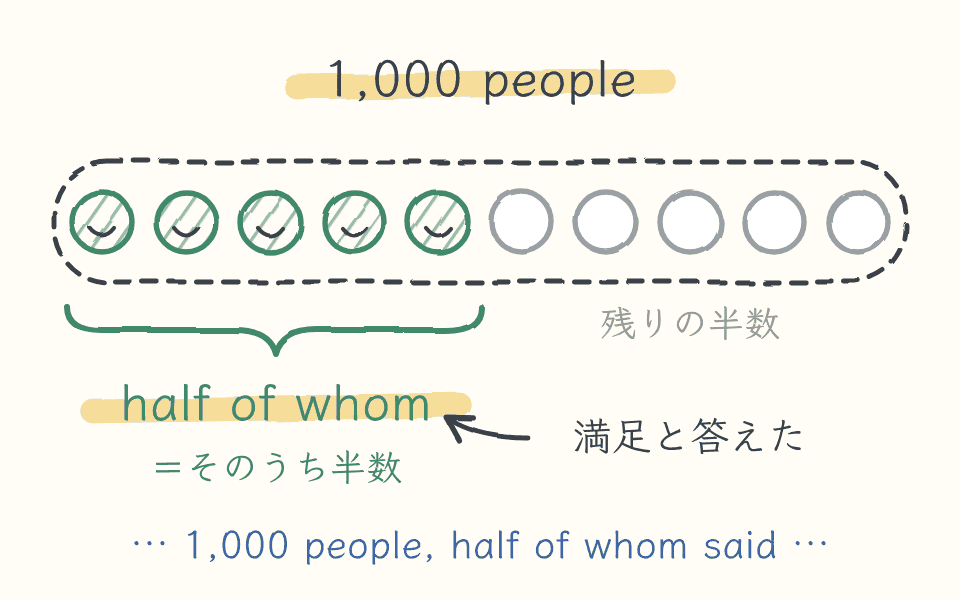
whose・where・when も非制限用法で使えます。また、〈all / most / half / some + of whom(人)/ of which(物)〉で「そのうちの〜」を表します。
| 関係詞 | 受けるもの | 例 |
|---|---|---|
| whose | 人・物(〜の) | The company, whose sales doubled, … |
| where | 場所 | We visited Kyoto, where we stayed for three days. |
| when | 時 | … in July, when many students are on vacation. |
| half of whom | 人(そのうち半数) | … 1,000 people, half of whom said … |
| all of which | 物(そのすべて) | … three hospitals, all of which are full. |
The company, whose sales doubled last year, plans to hire more staff.
その会社は昨年売上が倍になり、社員を増やす予定だ。
We visited Kyoto, where we stayed for three days.
私たちは京都を訪れ、そこに3日間滞在した。
The event will be held in July, when many students are on vacation.
そのイベントは7月に開かれるが、その時期は多くの学生が休みだ。
The survey asked 1,000 people, half of whom said they were satisfied.
調査は1,000人に質問し、そのうち半数が満足していると答えた。
The city has three hospitals, all of which are full.
市には病院が3つあり、そのすべてが満床だ。
5前から読む
長い文は、コンマのところで区切って前から順に読みます。日本語に訳すときも、「〜は…で、〜する」と前から訳し下げると、文の流れのまま理解できます。
| 英文 | 前から読むと |
|---|---|
| Mr. Tanaka, / who joined the company in 2010, / will become president. | 田中氏は/2010年に入社した人物で/社長になる |
| Sales fell, / which surprised analysts. | 売上が落ちた/そのことがアナリストを驚かせた |
The minister, who visited the area on Monday, promised more support.
大臣は月曜日にその地域を訪れ、さらなる支援を約束した。
The new law, which takes effect in April, bans smoking in restaurants.
新しい法律は4月に施行され、飲食店での喫煙を禁止する。
6よくある間違い
| × | ○ | ポイント |
|---|---|---|
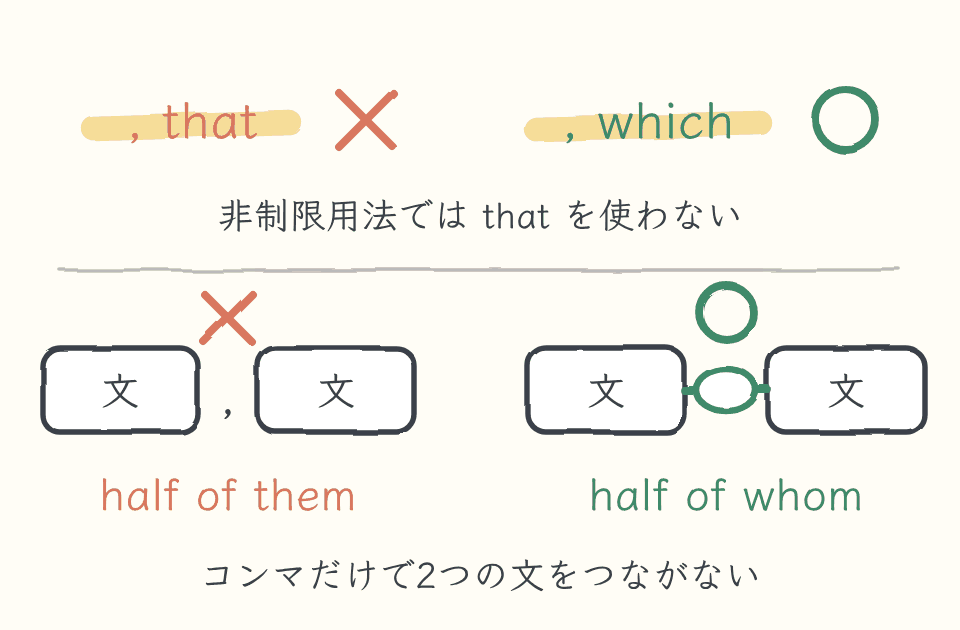
| The plan, that was announced last week, faces opposition. | The plan, which was announced last week, faces opposition. | 非制限用法では that を使わない |
| My father, I respect very much, is a doctor. | My father, whom (who) I respect very much, is a doctor. | 非制限用法では関係代名詞を省略できない |
| We visited Kyoto, there we stayed for three days. | We visited Kyoto, where we stayed for three days. | there は接続の働きをしない |
| The survey asked 1,000 people, half of them said they were satisfied. | The survey asked 1,000 people, half of whom said they were satisfied. | コンマだけで2つの文をつながない |
7確認問題
Ms. Kato, ( ) works in sales, will lead the project.
答えを見る
who
He passed the exam, ( ) made his parents happy.
答えを見る
which
前の文の内容全体を受けています。
The museum, ( ) was built in 1920, is closed for repairs.
答えを見る
which
非制限用法なので that は使えません。
We went to Nara, ( ) we saw many deer.
答えを見る
where
1文にする:The company has 200 workers. Most of them work from home.
答えを見る
The company has 200 workers, most of whom work from home.
8ニュースで出てきた関係詞の非制限用法
この単元に関係する英文がニュースに出てきたら、ここに自動で追加されます。